When to Stop Using Baby Monitor: A UK Dad’s Honest Take
A few months back I was in the queue at Tesco when a mate from my old shift spotted me. We got chatting about kids and somewhere between the avocados and the self-checkout he asked, half-laughing, half-serious: “When did you stop using your baby monitor? My missus thinks I’m being weird still using it.”
Look, here’s the thing. If you’ve typed when to stop using baby monitor into Google, you’re not weird. You’re one of thousands of UK parents asking the same question this week, and the honest answer is: nobody official will give you one.
The NHS doesn’t say when to stop using a baby monitor. The Lullaby Trust doesn’t either. Your health visitor probably hasn’t mentioned it. That’s because this isn’t a medical decision — it’s a practical, parental one. And because it’s not in the books, every parent reinvents the wheel and feels a bit silly doing it.
My son is four and a half. We stopped using our baby monitor properly when he was around two. Here’s what actually mattered when we made the call.
The Honest Answer: It’s Not About Age
Scroll through the top results on Google and you’ll see the same line dressed up in different words: most parents stop using a baby monitor between ages 2 and 4. That’s true on average. It’s also nearly useless when you’re the one making the call.
Two to four is a 24-month window. That’s massive. A two-year-old climbing out of his cot is in a completely different situation from a four-year-old who sleeps through, talks fluently, and knows where the toilet is. Putting them in the same bracket helps no one.
Spend ten minutes on Mumsnet and you’ll see what I mean. Some UK parents stop using the baby monitor at 12 months because their kid sleeps like a brick. Others keep it going until six because of a multi-storey terrace where you genuinely can’t hear the child shout. Both are right. Both came from looking at the actual child and the actual house, not the average age on a brand’s blog post.
So when people ask me what age to stop using a baby monitor, I push back gently. It’s not your child’s birthday that decides this. It’s a handful of milestones, plus your house, plus how you sleep yourselves.
What UK Guidance Actually Says (or Doesn’t)
This bit’s worth knowing because it stops you feeling like you’ve missed a memo.
The Lullaby Trust is the main UK authority on safer sleep. Their guidance is to share a room with your baby for the first six months — solid, evidence-based, non-negotiable. But on when to stop using a baby monitor? They don’t say. They simply note that monitors are a parental choice and don’t replace adult supervision.
NHS Start for Life follows the same line for the first six months. After that, no official “stop using the baby monitor at X months” recommendation. Nothing in the Red Book either.
What does that mean for you? There’s no rule to break. No NHS milestone you’ve missed. No expert saying you’re behind because you still flick the receiver on at bedtime. This is a quiet decision you make at home. That should take some pressure off.
The 5 Real Signs Your Child Is Ready
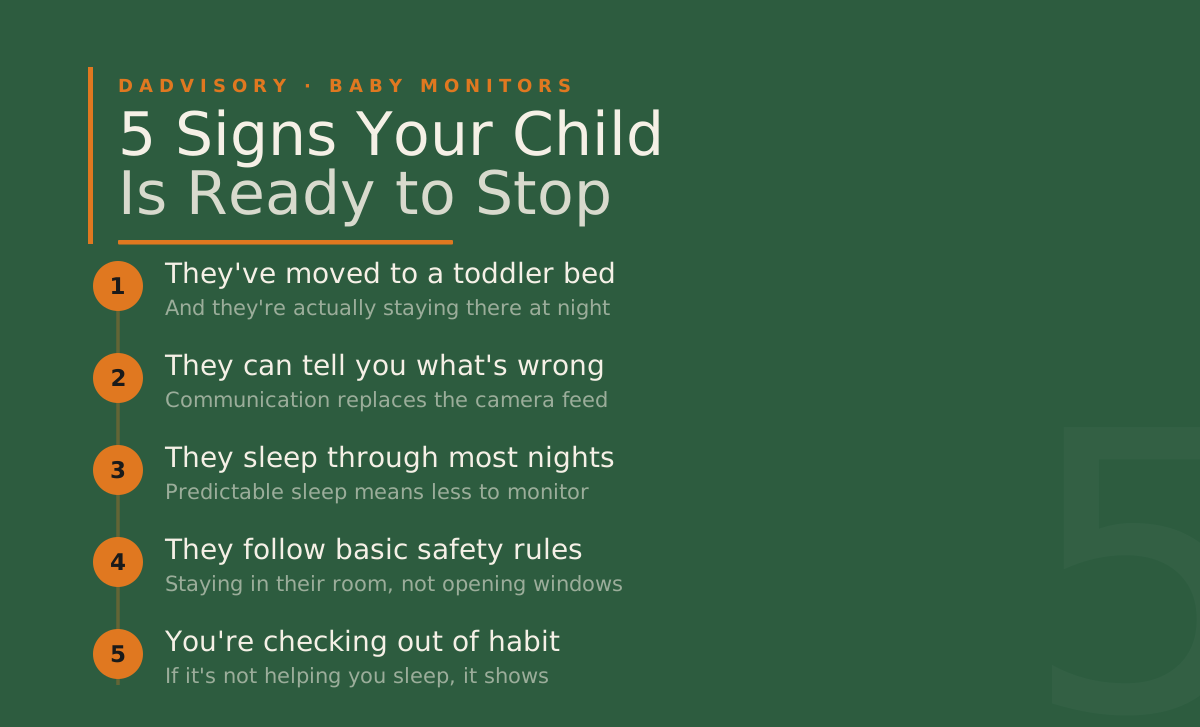
These are the milestones I actually paid attention to. If three or four are true for your child, you’ve probably already got your answer.
1. They’ve Moved to a Toddler Bed (and Stayed There)
Once your child is in a big bed and isn’t climbing out at 3 a.m. wandering the landing, the safety case for the monitor weakens. A baby in a cot can’t get to you. A toddler in a bed can. That changes the equation. In our house this was the first proper signal that we could stop using the baby monitor – the kit’s job had quietly shifted, and we hadn’t noticed.
2. They Can Tell You What’s Wrong
When a child can say “I’m thirsty,” “my tummy hurts,” or “I had a bad dream,” they don’t need you to lip-read a grainy night-vision feed. Self-advocacy is the single biggest reason to stop using a baby monitor. My son was an early talker, so this hit us before age two — but it’s the language milestone, not the birthday, that matters.
3. They Sleep Through Most Nights
If your child reliably goes from 7 p.m. to 6 a.m. without fuss, the monitor is mostly watching them breathe. Reassuring, but not really useful. Once predictable sleep is the norm rather than the exception, you can start asking honestly whether you actually need the kit on. Our baby sleep schedule guide covers what settled sleep usually looks like by age.
4. They Understand Basic Safety Rules
This one’s underrated. A child who knows not to open windows, not to mess with sockets, and to stay in their room until you come in is operating with a level of self-control that didn’t exist a year before. If your kid follows those rules, the monitor becomes a comfort blanket for you, not a safety device for them — and that’s worth being honest about before you stop using a baby monitor for good.
5. You’re Checking the Monitor More Out of Habit Than Need
Honest test: when did the monitor last actually help you? If you can’t think of an example from the last month, the answer’s staring at you. Habit isn’t a bad reason to keep something — but worth recognising it for what it is, so you can stop using the baby monitor on your own terms instead of drifting indefinitely.
When You Should KEEP Using It Longer (UK-Specific)
The other side of the coin, because there are good reasons to keep going past whatever Google’s “average age” says.
Multi-storey UK houses. If your child sleeps on the second floor and you’re on the ground, you’re not lazy for keeping the monitor — you’re being sensible. Sound doesn’t travel through floorboards and stairwells the way it does in an open-plan flat.
Victorian and Edwardian houses. Solid brick walls 9 to 12 inches thick eat sound like they eat WiFi. If your child’s room is two rooms away from yours, you genuinely can’t hear them. I’ve written about this in our Victorian houses baby monitor guide – same logic applies whether you’re choosing a monitor or deciding when to stop using a baby monitor.
Sibling sharing rooms. If you’ve got a younger one still needing supervision and an older one who technically doesn’t, the monitor stays. That’s just how it goes.
Special needs or medical conditions. Seizure disorders, sleep apnoea, reflux, anything that needs night-time awareness — keep the monitor. Talk to your health visitor or paediatrician for guidance specific to your child.
Sick nights, holidays, travel. Plenty of parents pack the monitor for B&Bs, grandparents’ houses, or any time the child sleeps somewhere unfamiliar. Use it when it helps. There’s no purity test.
If you live in a flat and your concern is interference rather than range, our baby monitor for flats guide covers why some setups give up too early.
All of these are perfectly good reasons not to stop using a baby monitor on someone else’s timetable.
How We Stopped Using Our Baby Monitor.
We stopped using our baby monitor when my son was around two — roughly when he dropped daytime naps. We didn’t sit down and decide. The need just quietly vanished. He’d been a brilliant sleeper from very early on. We’d moved him out of the Next2Me bedside cot into a cot bed with side rails at about five months, and he barely woke after that. He wet the bed a handful of times during developmental leaps and that was about the extent of our night-time admin.
So gradually we stopped switching the monitor on. Not in any planned way — just a Wednesday where we forgot, then a fortnight, then a month. We kept the unit in the cupboard “in case he gets ill,” which sounded sensible at the time. To be fair, it was probably more about reassuring ourselves we still had the option than anything else. The monitor had quietly become a comfort blanket for us.
A few weeks ago we were having a sort-out and the monitor came out of the cupboard. We passed it on to friends expecting a daughter — better in their hands than ours. My son is four and a half now. If he wakes in the night he just walks into our room and tells us. During the day he comes and finds us when he wants to chat. The communication channel is him, not a camera.
Funny thing though — we’re now starting to think about putting a camera in his room for a different reason. He’s started shutting his bedroom door to play and telling us not to come in. Pure four-year-old independence. Goes to show this stuff isn’t a one-way street: you stop using a baby monitor at one stage and find yourself thinking about something completely different two years later.
Parent Guilt: Let’s Talk About It
Some of you reading this have a five-year-old and still flick the monitor on at bedtime. You’ve never told another parent. You’re a bit embarrassed.
Stop that.
Spend half an hour on the Mumsnet thread on this exact question and you’ll see UK parents quietly admitting they used a monitor until age six, age seven, even age eight. Big houses. Anxious sleepers. Medical reasons. Kids who climbed and wandered. Far more common than the “you should’ve stopped at two” crowd ever admit.
Honest position: if using a baby monitor lets you sleep, and your child is happy, you’re winning. The point of parenting kit isn’t to tick a developmental milestone in the right month — it’s for your family to function. If a £40 monitor means you actually rest instead of lying awake straining your ears, that monitor is doing its job. The day it stops helping is the day to stop using the baby monitor. Not before.
The Gradual Transition: A 3-Week Plan
If you’ve decided you’re ready to stop using your baby monitor — but don’t want to go cold turkey — here’s the approach that worked for us, in slow motion.
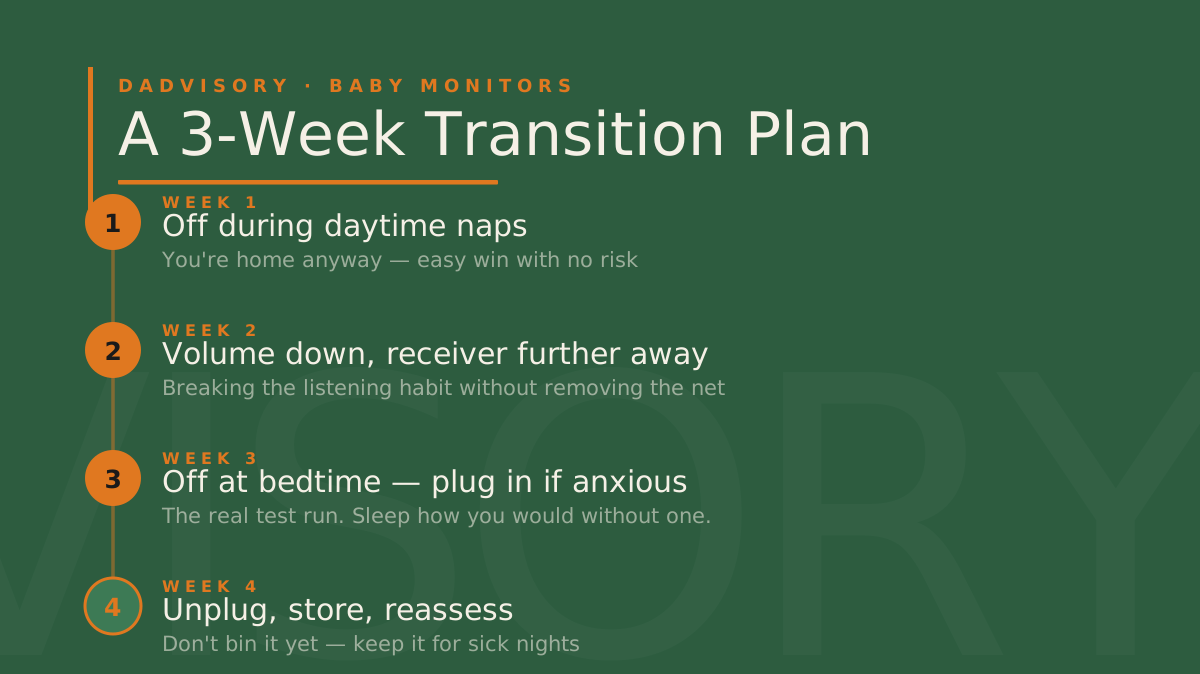
Week 1: Off During Daytime Naps
Daytime is the easy win. You’re in the house, you can hear them, naps are short. Switch the monitor off during nap times for a full week. You’ll quickly notice you don’t actually need it during the day.
Week 2: Volume Down at Night
Don’t turn it off — just turn the volume right down and move the receiver further from your bed. You’re training yourself out of the habit of listening for it without removing the safety net. By the end of the week, you’ll have noticed it’s mostly silent anyway.
Week 3: Off at Bedtime, Plug In If Anxious
Try a few nights off completely, but keep the unit charged and on the side in case you have a wobble. This is the test run — sleep how you’d sleep without one.
Week 4: Unplug, Store, Reassess
If week three went fine, unplug the monitor and put it in a cupboard. Don’t bin it yet — keep it for sick nights or rough patches. After a couple of months you’ll know whether to pass it on.
This isn’t a rigid programme. It’s a sensible glide path to stop using the baby monitor without spiking your own anxiety in the process.
What to Do With Your Old Baby Monitor
Once you’ve actually stopped using a baby monitor for good, what happens to the kit? Don’t just chuck it in a drawer and forget about it — and definitely don’t put it straight in the bin.
If it’s a WiFi monitor, it probably stored your home network credentials and might still be linked to a cloud account. Factory reset it before doing anything else. Our baby monitor security guide walks through how to do that properly, plus how to delete the app and revoke account access. Don’t skip that step. A pre-loved monitor with your old WiFi password and camera feed is a privacy mess waiting to happen.
Once it’s wiped, you’ve got options:
- Resell: Vinted, eBay UK, Facebook Marketplace. Be honest about age and condition.
- Donate: local Sure Start or Family Hub, NCT Nearly New Sale, women’s refuges, or pass it to a friend expecting a baby. That’s what we did.
- Recycle: Currys offer a free electrical takeback scheme, and your local council household recycling centre will take it.
If yours is a DECT no-WiFi monitor, there’s no cloud account or app to worry about, which is part of why DECT units tend to be the safer second-hand choice. But still factory reset it. DECT units tend to last longer in second-hand shape than WiFi ones, which is a small bonus.
Frequently Asked Questions
What age do most UK parents stop using a baby monitor?
Most UK parents stop using a baby monitor between ages two and four – but the right time depends on milestones, not birthdays. If your child is in a toddler bed, sleeps through most nights, can tell you what’s wrong, and understands basic safety rules, they’re probably ready regardless of age. Some parents in larger or older houses keep theirs going until six or seven, and that’s perfectly normal too.
Is it bad to use a baby monitor for too long?
No. There’s no medical evidence that using a baby monitor longer than average causes any harm to a child. The only real downside is to you – relying on the monitor can sometimes mean you sleep lighter, or feel more anxious about night noises, than you would without it. If it still helps your family function, keep it on.
My child is four and I still use a monitor -is that weird?
Not even slightly. Plenty of UK parents use monitors well past age four, especially in multi-storey, terraced, or Victorian homes where you genuinely can’t hear a child shout from another floor. The “should have stopped by now” pressure usually comes from people who’ve never lived in a house with thick brick walls. Use it as long as it serves you.
Can I use my baby monitor as a security camera afterwards?
Some can, some can’t. Most WiFi monitors can be repurposed as a basic indoor camera – useful for an older child’s room when they want privacy but you still want to know they’re safe. DECT monitors generally can’t, because they don’t connect to the internet at all. We’re working on a full guide to this exact question — keep an eye out.
What age can my child stay in their room without a monitor?
Once your child is in a toddler bed, sleeps through most nights, can communicate clearly, and understands basic rules about staying put until morning, they don’t need one. For most UK families that lands somewhere between two and four. Trust your instincts more than the calendar – and if you stop using the baby monitor and it doesn’t quite work out, switching it back on for a few weeks isn’t a failure.
Conclusion
Look, the honest answer to when to stop using a baby monitor is: when you’ve stopped using it. Most parents drift away from the kit before they consciously decide to stop using baby monitor at all, and that’s usually a sign it’s done its job.
It’s milestones, not age. It’s your house, not the average UK family’s house. It’s whether you sleep better with it on or whether it’s started watching you instead of helping you. Trust those signals.
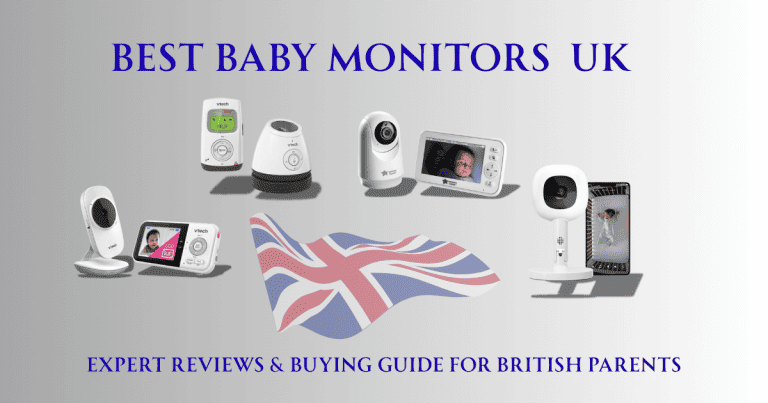
If you’re at the other end of this — still choosing your first monitor — our Best Baby Monitors UK guide covers what’s actually worth buying for British homes in 2026. And if you’ve decided to keep yours running longer, give the baby monitor security guide a read so you’re using it safely.
Whatever you decide – you’re not behind. You’re just a parent making a quiet call no one else can make for you.